Sunday, April 28, 2024
Fifth Sunday of Easter
"Live Your Faith, Live in Love"
SINGLE 10:30am Worship Service
(with 10:30am Live Stream)
This Sunday, as we launch a new church year at CCB, we read in John’s first letter that “God is love.” And in Mark’s Gospel, we hear how the first disciples tried to follow the “great commandment” of Jesus to love – by praying, sharing and welcoming all to their life-changing ministry.
What does it mean for us today to “live in God” and allow God to live deeply within us? How do we offer healing and care to those we love? How do we offer healing and care to our own parched souls? And how do we offer healing and care for those we have yet to meet, extending God’s own welcome to newcomers?
Join us for a SINGLE 10:30am worship service, with special music from the Bell Choir. Nursery Care and Church School are available for our young people.
| |
Our 10:30am service is regularly LIVE STREAMED and RECORDED.
You can live stream our 10:30am service for April 28th from the following link:  https://youtube.com/live/SQxAuhMBTYk?feature=share
Additional recordings of our worship services can be found on our YouTube page "uccbvideo".
Church School & Nursery Care are available: If you have questions about Church School, please be in touch with our Church School Coordinator, Barbara Crandell at barbara@uccb.org. The Nursery is open for both Sunday services as well.
  |


| |
10:30am Sunday Weekly Worship Recordings:
If you are not able to watch the service live from the beginning, or if you need to join the service late, there will be an opportunity to view the entire recording in a few hours, after YouTube processes it and uploads it to our church YouTube channel. For instant notifications of Live Streams, you can also subscribe to that channel, uccbvideo, by clicking on the red "Subscribe" button on the YouTube page or click on the link above.
Our 10:30am service is inside our air conditioned Meetinghouse and is LIVE STREAMED and RECORDED. You can view the recorded live stream our 10:30am service for April 21st from the following link: https://youtube.com/live/sn4L0CzoJlI?feature=share
| |
Sharing to Build, Building to Share…
See the New Vision for Fellowship Hall!
Campaign Update
|
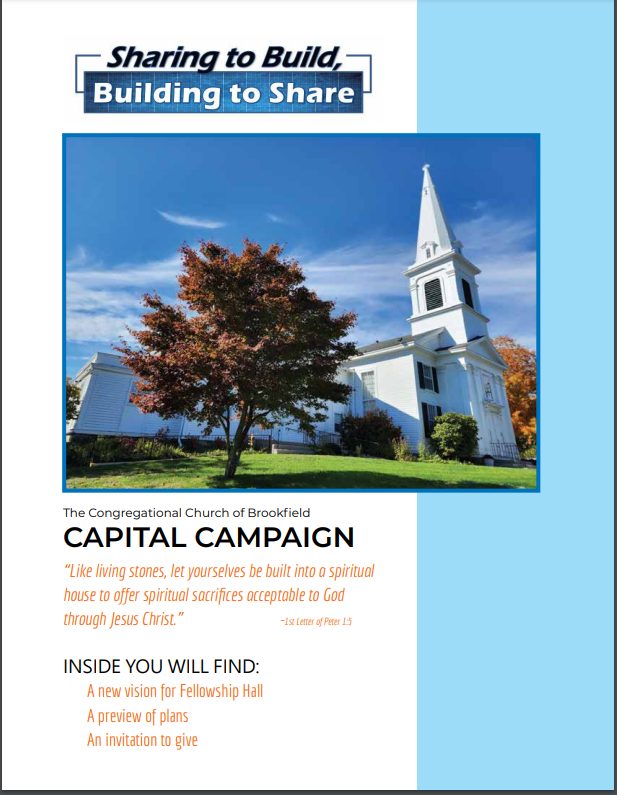
Because we are CCB, we have fun whenever we gather! Even as we worship each week in our historic Meetinghouse, fellowship is at the very heart of our church life and we believe Fellowship Hall should be accessible to all. We invite you to contribute as generously as you can and help us extend God's extravagant welcome to everyone, "no matter who we are or where we are on life's journey." Whether we walk or roll, we seek to follow Jesus together!
  |
Pastors Fund Thanks & Information
Our pastors wish to thank you so much for your generous support of the Pastors Fund during these difficult and ever-changing times. With your help bills have been paid to cover housing costs, medical bills, and emergency repairs as well as to cover other everyday costs like food, gas, and clothing for members & friends of our church and wider community. The Pastors Fund is supported through the honorarium from the funerals/memorials that our pastors officiate, as well as through the generous gifts of members and friends of our community. The Thrift Shop has supported the Pastors Fund with gifts from sale profits, and the Pastors Fund is also one of the options for holiday support through our Virtual Giving Tree this year.If you are feeling moved to make a direct gift to the Pastors Fund, gift cards for groceries and gas are always welcome, as are donations made payable to Pastors Fund.
| |
Your Pastors are Here for You!
Pastoral Care Appointments
bryn@uccb.org or jennifer@uccb.org ) to set up a time to talk and pray together. | |
Worship Opportunities
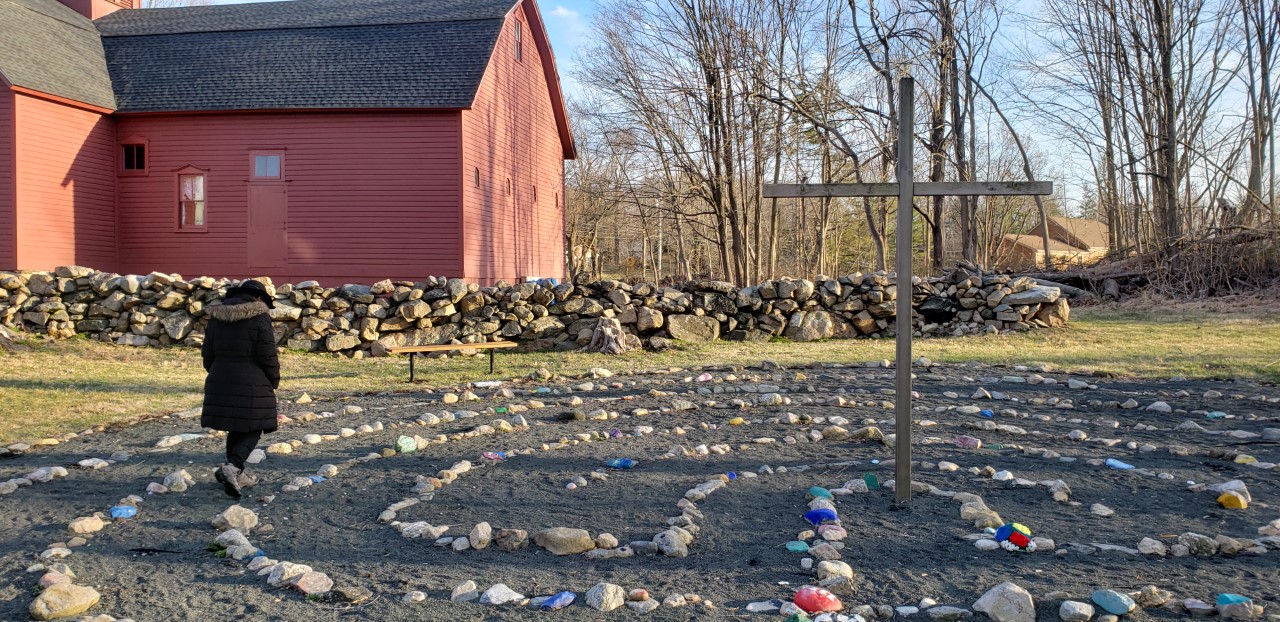 Labyrinth & Children's Garden:
  |
uccbsocialmedia@gmail.com. If you have missed any of our online worship services you can find them linked below, and you can subscribe to our YouTube channel uccbvideo, where our worship services are archived.   |
ndayCB
Church Office Hours
Monday through Thursday - 9:00am - 2:00pm
CLOSED on Fridays.
The church door will remain locked for safety reasons, but our Ring doorbell system helps us to know who is coming to the door.
We are an Open and Affirming Congregation of the United Church of Christ.
Know that "No matter who you are or where you are on life's journey, you are welcome here!"
  |


| |
At Home Electronic Worship Options


  |
Congregational Church of Brookfield
Listen to the Congregational Church of Brookfield's PODCAST.
Don't have time or an internet video connection?
Subscribe to our podcast and listen on the go to past sermons.
Click on: https://soundcloud.com/user-98392082
  |


| |
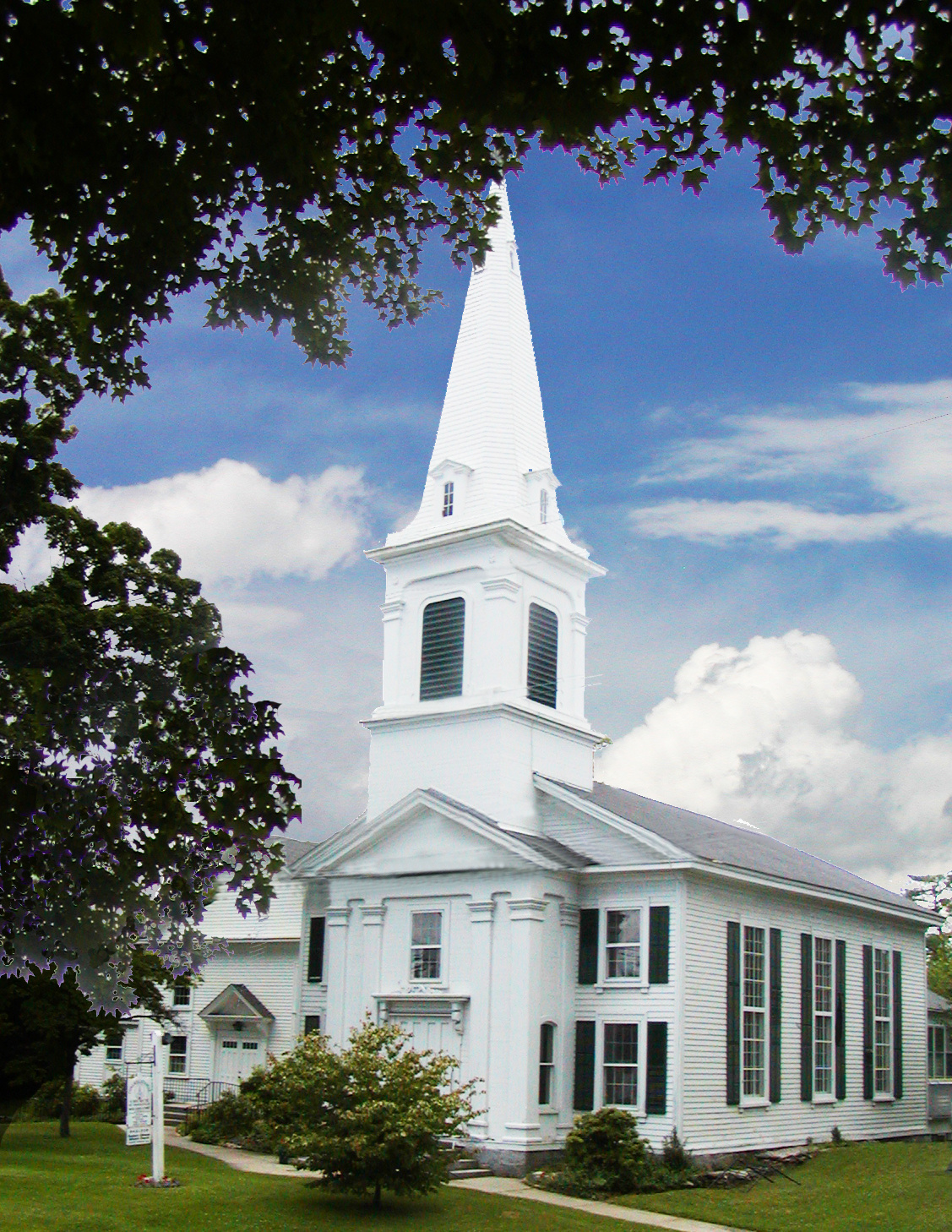
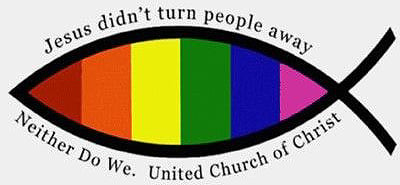
Welcome! No matter who you are, or where you are on life's journey, you are welcome here.
- Would you enjoy the guidance of fellow seekers to help you support your children's growth into strong and compassionate moral thinkers?
- Are you looking for a place where you can bring your deepest joys and sorrows and find real companionship in celebration and suffering?
- Do you long for a place where you and your family can learn to love one another and care for the world in a compassionate faith community?
| |